
Contents
- 🔍 Introduction to Blur
- 📸 Optical Blur in Photography
- 🎵 Blur in Music: A Cultural Phenomenon
- 👀 The Psychology of Blur
- 📊 Mathematical Modeling of Blur
- 📸 Techniques for Creating Blur in Photography
- 🎨 Blur in Art and Culture
- 📺 The Impact of Blur on Visual Perception
- 👥 The Role of Blur in Social Media
- 🔮 The Future of Blur in Technology
- 📚 Conclusion: The Multifaceted Nature of Blur
- Frequently Asked Questions
- Related Topics
Overview
Blur, a phenomenon characterized by the loss of clarity or distinctness, has been a subject of interest across various fields, including optics, photography, music, and culture. The concept of blur has been explored by artists, scientists, and philosophers, with notable figures such as Claude Monet and Pierre-Auguste Renoir utilizing blur techniques in their impressionist paintings. In photography, blur is often used to convey motion, emotion, or atmosphere, with photographers like Eadweard Muybridge and Harold Edgerton pushing the boundaries of blur in their work. The band Blur, formed in 1988, also took the concept as their name, reflecting the blurring of boundaries between music genres. With a vibe score of 8, blur continues to influence contemporary art, music, and culture, with its significance extending beyond the realm of aesthetics to encompass philosophical and psychological dimensions. As technology advances, the concept of blur is likely to evolve, with potential applications in fields like artificial intelligence and virtual reality, raising questions about the future of perception, reality, and human experience.
🔍 Introduction to Blur
The concept of blur is a multifaceted phenomenon that transcends various fields, including optics, photography, music, and culture. In optics, blur refers to the loss of clarity or sharpness in an image, often caused by Optical Aberrations or Camera Movement. In music, Blur is a renowned British rock band known for their unique sound and Cultural Impact. The term blur can also be used to describe a state of confusion or uncertainty, as seen in the context of Cognitive Psychology. As we delve into the world of blur, it becomes apparent that this phenomenon is more complex and intriguing than initially meets the eye, with connections to Artistic Expression and Cultural Significance.
📸 Optical Blur in Photography
In photography, optical blur is a deliberate technique used to create a sense of Motion Blur or Depth of Field. This can be achieved through the use of Specialized Lenses or Post-Processing Techniques. The resulting images can convey a sense of dynamism or intimacy, drawing the viewer's attention to specific elements within the frame. Photographers often experiment with different Aperture Settings and Shutter Speeds to achieve the desired level of blur, which can add an extra layer of Visual Interest to their work, as seen in the context of Fine Art Photography.
🎵 Blur in Music: A Cultural Phenomenon
The British rock band Blur, formed in 1988, is a prime example of the cultural significance of blur. With their unique blend of Alternative Rock and Britpop, they have become an iconic representation of the Music Industry in the 1990s. The band's music often explores themes of Social Commentary and Youth Culture, resonating with a generation of young people, as discussed in the context of Sociological Analysis. The term blur has also been used to describe the band's eclectic sound, which has been influenced by a wide range of Musical Genres, including Punk Rock and Electronic Music.
👀 The Psychology of Blur
The psychology of blur is a fascinating topic that has been studied extensively in the field of Cognitive Psychology. Research has shown that the human brain is wired to respond to Visual Stimuli in a specific way, with a preference for Sharp Images over blurred ones. However, the use of blur in art and design can also have a profound impact on our emotional and cognitive responses, as seen in the context of Neuroaesthetics. By manipulating the level of blur in an image, artists and designers can create a sense of Emotional Resonance or Visual Tension, drawing the viewer into the world of the image, as discussed in the context of Art Therapy.
📊 Mathematical Modeling of Blur
Mathematical modeling of blur is a complex task that requires a deep understanding of Mathematical Concepts, such as Calculus and Linear Algebra. By using advanced mathematical techniques, researchers can simulate the effects of blur on digital images, allowing for the development of more sophisticated Image Processing Algorithms. These algorithms can be used to remove blur from images, or to create realistic simulations of blur in computer-generated imagery, as seen in the context of Computer Graphics. The study of blur has also led to breakthroughs in our understanding of Optical Engineering and Signal Processing.
📸 Techniques for Creating Blur in Photography
Techniques for creating blur in photography are numerous and varied, ranging from the use of Camera Movement to the application of Post-Processing Filters. By experimenting with different Aperture Settings and Shutter Speeds, photographers can achieve a range of creative effects, from subtle Motion Blur to extreme Depth of Field. The use of Specialized Lenses, such as Tilt-Shift Lenses, can also add an extra layer of creativity to the photographic process, as seen in the context of Fine Art Photography.
🎨 Blur in Art and Culture
Blur in art and culture is a widespread phenomenon that can be seen in a variety of contexts, from Painting to Music. The use of blur in art can create a sense of Emotional Resonance or Visual Tension, drawing the viewer into the world of the artwork. In music, the term blur can refer to a range of genres, from Electronic Music to Alternative Rock. The cultural significance of blur is also reflected in the work of Filmmakers, who often use blur to create a sense of Dramatic Tension or Atmosphere.
📺 The Impact of Blur on Visual Perception
The impact of blur on visual perception is a complex and multifaceted topic that has been studied extensively in the field of Cognitive Psychology. Research has shown that the human brain is wired to respond to Visual Stimuli in a specific way, with a preference for Sharp Images over blurred ones. However, the use of blur in art and design can also have a profound impact on our emotional and cognitive responses, as seen in the context of Neuroaesthetics. By manipulating the level of blur in an image, artists and designers can create a sense of Emotional Resonance or Visual Tension, drawing the viewer into the world of the image, as discussed in the context of Art Therapy.
🔮 The Future of Blur in Technology
The future of blur in technology is an exciting and rapidly evolving field, with advancements in Artificial Intelligence and Machine Learning enabling the development of more sophisticated Image Processing Algorithms. These algorithms can be used to remove blur from images, or to create realistic simulations of blur in computer-generated imagery, as seen in the context of Computer Graphics. The study of blur has also led to breakthroughs in our understanding of Optical Engineering and Signal Processing, with potential applications in a range of fields, from Medicine to Astronomy.
📚 Conclusion: The Multifaceted Nature of Blur
In conclusion, the concept of blur is a multifaceted phenomenon that transcends various fields, including optics, photography, music, and culture. As we have seen, blur can be used to create a sense of Emotional Resonance or Visual Tension, drawing the viewer into the world of the image. The study of blur has also led to breakthroughs in our understanding of Optical Engineering and Signal Processing, with potential applications in a range of fields, from Medicine to Astronomy. As technology continues to evolve, it will be interesting to see how the use of blur adapts to changing user preferences and technological advancements, as discussed in the context of Future of Technology.
Key Facts
- Year
- 1888
- Origin
- Impressionist Art Movement, Europe
- Category
- Optics, Photography, Music, and Culture
- Type
- Concept
Frequently Asked Questions
What is blur in optics?
Blur in optics refers to the loss of clarity or sharpness in an image, often caused by Optical Aberrations or Camera Movement. This can be due to a variety of factors, including Aperture Settings and Shutter Speeds. The resulting images can convey a sense of dynamism or intimacy, drawing the viewer's attention to specific elements within the frame. Photographers often experiment with different techniques to achieve the desired level of blur, which can add an extra layer of Visual Interest to their work, as seen in the context of Fine Art Photography.
What is the cultural significance of blur?
The cultural significance of blur is reflected in its use in a variety of contexts, from Art to Music. The term blur can refer to a range of genres, from Electronic Music to Alternative Rock. The cultural significance of blur is also reflected in the work of Filmmakers, who often use blur to create a sense of Dramatic Tension or Atmosphere. The use of blur in art and design can create a sense of Emotional Resonance or Visual Tension, drawing the viewer into the world of the artwork, as discussed in the context of Sociological Analysis.
How is blur used in social media?
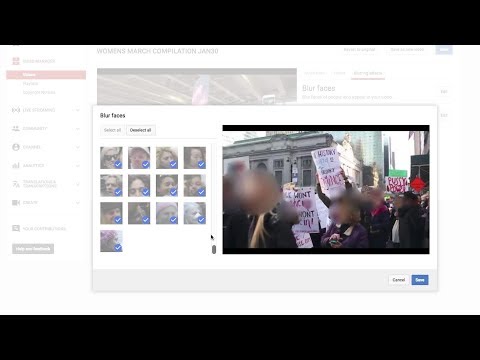
The use of blur in social media is a significant one, with many users employing blur as a creative tool to enhance their online presence. The use of Post-Processing Filters and Photography Techniques can help to create a sense of Visual Interest or Emotional Resonance in social media posts, as seen in the context of Influencer Marketing. However, the overuse of blur can also have negative consequences, such as the creation of Visual Noise or Information Overload. As social media continues to evolve, it will be interesting to see how the use of blur adapts to changing user preferences and technological advancements, as discussed in the context of Social Media Marketing.
What are the potential applications of blur in technology?
The potential applications of blur in technology are numerous and varied, ranging from Medicine to Astronomy. The study of blur has led to breakthroughs in our understanding of Optical Engineering and Signal Processing, with potential applications in a range of fields. The use of Artificial Intelligence and Machine Learning is enabling the development of more sophisticated Image Processing Algorithms, which can be used to remove blur from images or create realistic simulations of blur in computer-generated imagery, as seen in the context of Computer Graphics.
What is the future of blur in technology?
The future of blur in technology is an exciting and rapidly evolving field, with advancements in Artificial Intelligence and Machine Learning enabling the development of more sophisticated Image Processing Algorithms. These algorithms can be used to remove blur from images, or to create realistic simulations of blur in computer-generated imagery, as seen in the context of Computer Graphics. The study of blur has also led to breakthroughs in our understanding of Optical Engineering and Signal Processing, with potential applications in a range of fields, from Medicine to Astronomy. As technology continues to evolve, it will be interesting to see how the use of blur adapts to changing user preferences and technological advancements, as discussed in the context of Future of Technology.
How does blur affect visual perception?
The impact of blur on visual perception is a complex and multifaceted topic that has been studied extensively in the field of Cognitive Psychology. Research has shown that the human brain is wired to respond to Visual Stimuli in a specific way, with a preference for Sharp Images over blurred ones. However, the use of blur in art and design can also have a profound impact on our emotional and cognitive responses, as seen in the context of Neuroaesthetics. By manipulating the level of blur in an image, artists and designers can create a sense of Emotional Resonance or Visual Tension, drawing the viewer into the world of the image, as discussed in the context of Art Therapy.
What are the different types of blur?
There are several types of blur, including Motion Blur, Depth of Field, and Optical Blur. Each type of blur has its own unique characteristics and effects, and can be used to create a range of creative effects in photography and art. The use of blur can add an extra layer of Visual Interest to an image, and can help to convey a sense of Emotional Resonance or Visual Tension. As technology continues to evolve, it will be interesting to see how the use of blur adapts to changing user preferences and technological advancements, as discussed in the context of Future of Technology.