
Contents
- 🌟 Introduction to Dance
- 💃 History of Dance
- 🕺 Types of Dance
- 🎶 Music and Dance
- 👥 Dance and Culture
- 🔥 Choreography and Technique
- 🌍 Dance Around the World
- 🤔 The Psychology of Dance
- 📚 Dance in Education
- 👏 Dance and Performance
- 💻 Dance in the Digital Age
- 👀 The Future of Dance
- Frequently Asked Questions
- Related Topics
Overview
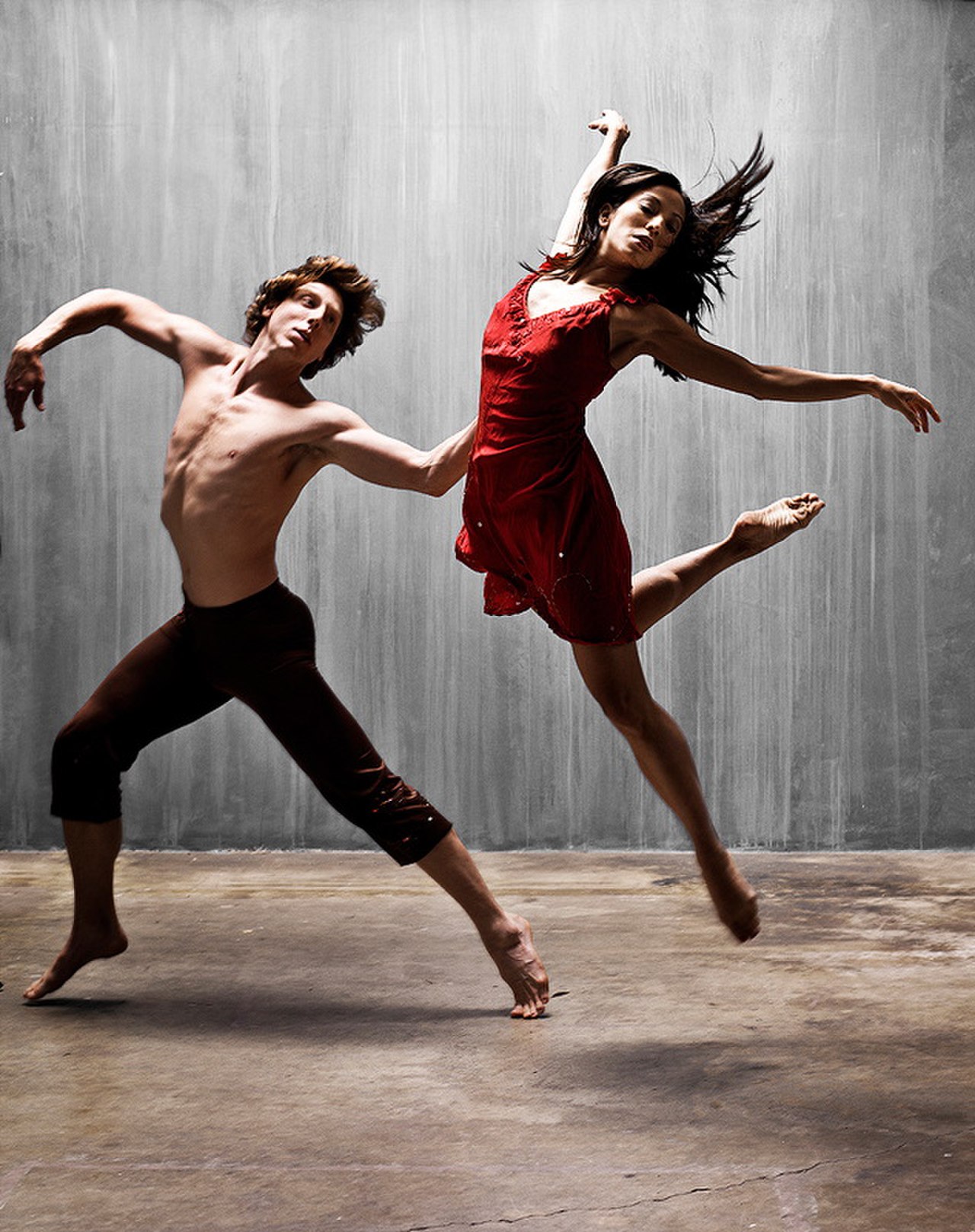
Dance is a universal language, understood and appreciated by people all over the world. It is an art form that consists of sequences of body movements with aesthetic and often symbolic value, either improvised or purposefully selected. As noted by dance historians, dance can be categorized and described by its choreography, by its repertoire of movements or by its historical period or place of origin. For example, ballet dance is a classical form of dance that originated in Italy, while hip hop dance is a more contemporary style that emerged in the United States. Dance is typically performed with musical accompaniment, and sometimes with the dancer simultaneously using a musical instrument themselves, as seen in flamenco music and dance.
💃 History of Dance
The history of dance is a rich and diverse one, spanning thousands of years and countless cultures. From the ancient civilizations of Egypt and Greece, to the modern-day styles of contemporary dance, dance has played a significant role in human expression and communication. As dance anthropologists have noted, dance has been used for a variety of purposes, including ritual, ceremony, and storytelling. For instance, kathakali dance is a traditional form of dance from India that tells stories from Hindu mythology, while salsa dance is a lively style that originated in Latin America. Dance has also been influenced by various social and cultural factors, such as fashion trends and technological advancements.
🕺 Types of Dance
There are many different types of dance, each with its own unique style and characteristics. Some popular forms of dance include ballet, modern dance, jazz dance, and hip hop dance. Each of these styles has its own distinct technique and aesthetic, and they are often performed to different types of music. For example, tap dance is a style that involves creating rhythmic sounds with the feet, while ballroom dance is a partner dance that involves waltzing, tango, and other styles. Dance can also be categorized by its level of formality, with some styles being more formal and traditional, while others are more informal and improvisational, such as improvisational dance.
🎶 Music and Dance
Music and dance are intimately connected, with music often providing the inspiration and accompaniment for dance. Different types of music are often associated with specific styles of dance, such as classical music with ballet dance or electronic music with rave dance. The relationship between music and dance is complex and multifaceted, with each influencing the other in subtle and profound ways. For instance, music theory can inform the creation of dance choreography, while dance criticism can provide insight into the ways in which music and dance intersect. As musicologists have noted, the study of music and dance can reveal a great deal about the cultural and historical contexts in which they are created and performed.
👥 Dance and Culture
Dance is an integral part of many cultures around the world, and it plays a significant role in shaping identity, community, and tradition. For example, African dance is a vital part of many African cultures, with different styles and traditions being passed down from generation to generation. Similarly, Latin American dance is a vibrant and expressive form of dance that reflects the rich cultural heritage of the region. Dance can also be a powerful tool for social change and activism, as seen in the work of dance activists who use dance to raise awareness about social justice issues. As cultural studies scholars have noted, dance can be a powerful means of resisting oppression and promoting social change.
🔥 Choreography and Technique
Choreography and technique are essential components of dance, as they provide the foundation for creating and performing dance movements. Different styles of dance require different types of choreography and technique, with some styles being more formal and structured, while others are more improvisational and spontaneous. For example, contemporary dance often involves a great deal of improvisation and experimentation, while ballet dance requires a high level of technical precision and control. As dance educators have noted, the study of choreography and technique can provide dancers with a deeper understanding of the art form and its many possibilities.
🌍 Dance Around the World
Dance is a global phenomenon, with different styles and traditions being practiced and performed all over the world. From the Bharatanatyam dance of India to the samba dance of Brazil, dance is a universal language that can bring people together and transcend cultural boundaries. As dance anthropologists have noted, dance can provide a unique window into the cultural and historical contexts of different societies, and it can be a powerful tool for promoting cross-cultural understanding and exchange. For instance, world dance festivals and events can bring together dancers and musicians from around the world, showcasing the diversity and richness of global dance traditions.
🤔 The Psychology of Dance
The psychology of dance is a fascinating and complex topic, as it involves the study of the mental and emotional processes that underlie dance creation and performance. As dance psychologists have noted, dance can have a profound impact on our mental and emotional well-being, and it can be a powerful tool for promoting relaxation, stress relief, and self-expression. For example, dance therapy is a form of therapy that uses dance to help individuals cope with mental health issues such as anxiety and depression. Dance can also be a powerful means of nonverbal communication, allowing us to express emotions and ideas in a way that transcends language and culture.
📚 Dance in Education
Dance education is an essential component of many school curricula, as it provides students with a unique opportunity to develop their creative and physical abilities. As dance educators have noted, dance education can provide students with a range of benefits, including improved physical fitness, enhanced cognitive skills, and increased self-confidence. Dance education can also provide students with a deeper understanding of the cultural and historical contexts of different dance styles, and it can help to promote cross-cultural understanding and appreciation. For instance, dance history can provide students with a rich and nuanced understanding of the development of different dance styles, while dance appreciation can help students to develop a deeper appreciation for the art form and its many possibilities.
👏 Dance and Performance
Dance and performance are intimately connected, as dance is often performed in front of an audience. As performance studies scholars have noted, the relationship between dance and performance is complex and multifaceted, with each influencing the other in subtle and profound ways. For example, theater dance often involves the use of elaborate costumes, sets, and lighting, while site-specific dance involves the creation of dance performances in non-traditional venues such as parks, museums, and public spaces. Dance can also be a powerful means of storytelling, allowing dancers to convey emotions, ideas, and narratives through movement and gesture.
💻 Dance in the Digital Age
The digital age has had a profound impact on dance, with the rise of social media, online dance platforms, and digital dance tools. As digital dance scholars have noted, the digital age has provided dancers with new opportunities for creation, collaboration, and dissemination, and it has helped to democratize access to dance education and training. For example, online dance classes can provide dancers with access to high-quality instruction and training, while dance software can help dancers to create and edit their own dance videos and performances. Dance can also be a powerful means of online communication, allowing dancers to connect with each other and share their work with a global audience.
👀 The Future of Dance
The future of dance is exciting and uncertain, as it is shaped by a range of social, cultural, and technological factors. As dance futurists have noted, the future of dance may involve the use of new technologies such as virtual reality, artificial intelligence, and biometrics, and it may involve the creation of new forms of dance that are more immersive, interactive, and experiential. For instance, virtual reality dance can provide dancers with a new and innovative way to create and experience dance, while dance gaming can help to promote physical activity and dance education among young people. Dance can also be a powerful means of social change and activism, allowing dancers to raise awareness about important issues and promote positive social change.
Key Facts
- Category
- topic
- Type
- topic
Frequently Asked Questions
What is dance?
Dance is an art form that consists of sequences of body movements with aesthetic and often symbolic value, either improvised or purposefully selected. It is a universal language that can bring people together and transcend cultural boundaries. As noted by dance historians, dance can be categorized and described by its choreography, by its repertoire of movements or by its historical period or place of origin. For example, ballet dance is a classical form of dance that originated in Italy, while hip hop dance is a more contemporary style that emerged in the United States.
What are the benefits of dance?
Dance has a range of benefits, including improved physical fitness, enhanced cognitive skills, and increased self-confidence. It can also provide a unique opportunity for self-expression and creativity, and it can be a powerful means of nonverbal communication. As dance psychologists have noted, dance can have a profound impact on our mental and emotional well-being, and it can be a powerful tool for promoting relaxation, stress relief, and self-expression. For instance, dance therapy is a form of therapy that uses dance to help individuals cope with mental health issues such as anxiety and depression.
What are the different types of dance?
There are many different types of dance, each with its own unique style and characteristics. Some popular forms of dance include ballet, modern dance, jazz dance, and hip hop dance. Each of these styles has its own distinct technique and aesthetic, and they are often performed to different types of music. For example, tap dance is a style that involves creating rhythmic sounds with the feet, while ballroom dance is a partner dance that involves waltzing, tango, and other styles.
How can I learn to dance?
There are many ways to learn to dance, including taking dance classes, watching dance videos, and practicing on your own. As dance educators have noted, dance education can provide students with a range of benefits, including improved physical fitness, enhanced cognitive skills, and increased self-confidence. You can also try taking online dance classes or workshops, or attending dance festivals and events. For instance, online dance classes can provide dancers with access to high-quality instruction and training, while dance workshops can provide a unique opportunity for dancers to learn from experienced instructors and performers.
What is the history of dance?
The history of dance is a rich and diverse one, spanning thousands of years and countless cultures. From the ancient civilizations of Egypt and Greece, to the modern-day styles of contemporary dance, dance has played a significant role in human expression and communication. As dance anthropologists have noted, dance has been used for a variety of purposes, including ritual, ceremony, and storytelling. For example, kathakali dance is a traditional form of dance from India that tells stories from Hindu mythology, while salsa dance is a lively style that originated in Latin America.
What is the relationship between music and dance?
Music and dance are intimately connected, with music often providing the inspiration and accompaniment for dance. Different types of music are often associated with specific styles of dance, such as classical music with ballet dance or electronic music with rave dance. The relationship between music and dance is complex and multifaceted, with each influencing the other in subtle and profound ways. For instance, music theory can inform the creation of dance choreography, while dance criticism can provide insight into the ways in which music and dance intersect.
What is the future of dance?
The future of dance is exciting and uncertain, as it is shaped by a range of social, cultural, and technological factors. As dance futurists have noted, the future of dance may involve the use of new technologies such as virtual reality, artificial intelligence, and biometrics, and it may involve the creation of new forms of dance that are more immersive, interactive, and experiential. For example, virtual reality dance can provide dancers with a new and innovative way to create and experience dance, while dance gaming can help to promote physical activity and dance education among young people.