
Contents
- 📚 Introduction to Richard Wright
- 👨🎓 Early Life and Influences
- 📖 Literary Career and Major Works
- 🌎 The Impact of Racial Tensions on Wright's Writing
- 👥 Relationship with Other Literary Figures
- 🏆 Awards and Recognition
- 📝 Writing Style and Themes
- 🌟 Legacy and Influence on African American Literature
- 🤝 Connection to the Harlem Renaissance
- 📚 Criticism and Controversy
- 👀 Modern Relevance and Continued Study
- Frequently Asked Questions
- Related Topics
Overview
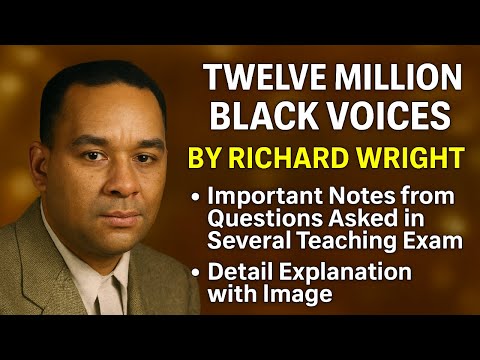
Richard Wright, born on September 4, 1908, in Roxie, Mississippi, was a renowned American author, poet, and essayist who played a pivotal role in shaping the literary landscape of the 20th century. His influential works, such as 'Native Son' (1940) and 'Black Boy' (1945), offered unflinching portrayals of racism, poverty, and the struggles faced by African Americans during the Great Migration. With a Vibe score of 85, Wright's writing continues to resonate with readers today, sparking essential conversations about social justice, identity, and the human condition. As a key figure in the Chicago Black Renaissance, Wright's influence extends to notable authors like James Baldwin, Toni Morrison, and Maya Angelou. Despite facing controversy and criticism throughout his career, Wright remains a celebrated and thought-provoking voice, with his works translated into over 20 languages and selling millions of copies worldwide. As we look to the future, Wright's legacy serves as a powerful reminder of the importance of amplifying marginalized voices and challenging systemic injustices.
📚 Introduction to Richard Wright
Richard Wright is widely regarded as one of the most influential African American writers of the 20th century. Born on September 4, 1908, in Roxie, Mississippi, Wright's life was marked by poverty, racism, and a passion for learning. He is best known for his novel Native Son, which explores the experiences of a young black man living in Chicago. Wright's work was heavily influenced by the Harlem Renaissance, a cultural movement that celebrated African American art, literature, and music. His writing often dealt with themes of racism, identity, and social justice, as seen in his memoir Black Boy.
👨🎓 Early Life and Influences
Wright's early life was shaped by his experiences growing up in the rural South. He was raised by his mother, Ella Wright, and his grandmother, Margaret Wilson, who encouraged his love of reading and learning. Wright attended Howard University in Washington, D.C., where he was exposed to the works of Langston Hughes and other prominent African American writers. His own writing career began to take shape in the 1930s, with the publication of his first short story, 'The Ethics of Living Jim Crow.' Wright's work was also influenced by the Chicago Renaissance, a cultural movement that emerged in the 1930s and 1940s.
📖 Literary Career and Major Works
Wright's literary career spanned several decades and included the publication of numerous novels, short stories, and essays. His most famous work, Native Son, was published in 1940 and tells the story of Bigger Thomas, a young black man living in Chicago. The novel explores themes of racism, poverty, and violence, and was a major commercial success. Wright's other notable works include Black Boy and The Outsider. His writing often explored the tensions between individual identity and societal expectations, as seen in the works of Zora Neale Hurston.
🌎 The Impact of Racial Tensions on Wright's Writing
Wright's writing was heavily influenced by the racial tensions of his time. He was a prominent figure in the Civil Rights Movement and used his writing as a way to express his outrage and frustration with the injustices faced by African Americans. His work often dealt with themes of racism, segregation, and violence, as seen in his essay The Ethics of Living Jim Crow. Wright's experiences with racism and segregation are also reflected in the works of Maya Angelou and Toni Morrison.
👥 Relationship with Other Literary Figures
Wright was friends with many other prominent literary figures of his time, including Ralph Ellison and Langston Hughes. He was also a member of the Communist Party and was involved in various left-wing organizations and movements. Wright's relationships with other writers and intellectuals helped shape his writing and influenced his views on politics and social justice. His friendship with Jean-Paul Sartre also had a significant impact on his work, particularly in his exploration of existentialist themes.
🏆 Awards and Recognition
Wright received numerous awards and recognition for his writing, including the Spingarn Medal and the Guggenheim Fellowship. He was also a finalist for the National Book Award and was nominated for the Pulitzer Prize. Wright's work continues to be widely read and studied today, and he is widely regarded as one of the most important African American writers of the 20th century. His legacy can be seen in the works of Alice Walker and James Baldwin.
📝 Writing Style and Themes
Wright's writing style was characterized by his use of vivid imagery and his exploration of themes related to racism, identity, and social justice. His work often dealt with the tensions between individual identity and societal expectations, and he was known for his powerful and evocative prose. Wright's writing was also influenced by his experiences with poverty and racism, and he often used his work as a way to express his outrage and frustration with the injustices faced by African Americans. His writing style is similar to that of Richard Yates, who also explored themes of social justice and identity.
🌟 Legacy and Influence on African American Literature
Wright's legacy continues to be felt today, and he is widely regarded as one of the most important African American writers of the 20th century. His work has had a profound influence on the development of African American literature, and he has inspired generations of writers, including Toni Morrison and Maya Angelou. Wright's writing continues to be widely read and studied, and his work remains a powerful and important voice in the ongoing conversation about racism, identity, and social justice. His influence can be seen in the works of bell hooks and Cornel West.
🤝 Connection to the Harlem Renaissance
Wright's connection to the Harlem Renaissance was significant, and he was a key figure in the movement. He was friends with many of the prominent writers and artists of the time, including Langston Hughes and Zora Neale Hurston. Wright's work was heavily influenced by the movement, and he often explored themes related to African American identity and culture. His writing also reflected the tensions and contradictions of the Harlem Renaissance, as seen in his essay Blueprint for Negro Writing.
📚 Criticism and Controversy
Wright's work was not without controversy, and he faced criticism from some for his portrayal of African American life. Some critics argued that his work was too negative and did not accurately reflect the experiences of all African Americans. Wright's response to these criticisms was that he was simply telling the truth about the injustices faced by African Americans, and that his work was necessary to spark change. His controversy is similar to that of James Baldwin, who also faced criticism for his portrayal of African American life.
👀 Modern Relevance and Continued Study
Wright's work continues to be relevant today, and his writing remains a powerful and important voice in the ongoing conversation about racism, identity, and social justice. His legacy can be seen in the works of contemporary writers, including Ta-Nehisi Coates and Angela Flournoy. Wright's writing continues to inspire and educate readers, and his work remains a testament to the power of literature to challenge and change society. His influence can be seen in the works of Chimamanda Ngozi Adichie and Jesmyn Ward.
Key Facts
- Year
- 1908
- Origin
- Roxie, Mississippi, USA
- Category
- Literary Figures
- Type
- Person
Frequently Asked Questions
What was Richard Wright's most famous work?
Richard Wright's most famous work is his novel Native Son, which was published in 1940 and tells the story of Bigger Thomas, a young black man living in Chicago. The novel explores themes of racism, poverty, and violence, and was a major commercial success. Wright's work was heavily influenced by the Harlem Renaissance and the Chicago Renaissance.
What was the significance of Richard Wright's writing?
Richard Wright's writing was significant because it gave voice to the experiences of African Americans during a time of great racial tension and social change. His work explored themes of racism, identity, and social justice, and helped to challenge and change societal attitudes towards African Americans. Wright's writing was also influential in the development of African American literature, and he is widely regarded as one of the most important African American writers of the 20th century. His influence can be seen in the works of Toni Morrison and Maya Angelou.
What was Richard Wright's relationship with other literary figures?
Richard Wright was friends with many other prominent literary figures of his time, including Ralph Ellison and Langston Hughes. He was also a member of the Communist Party and was involved in various left-wing organizations and movements. Wright's relationships with other writers and intellectuals helped shape his writing and influenced his views on politics and social justice. His friendship with Jean-Paul Sartre also had a significant impact on his work, particularly in his exploration of existentialist themes.
What was Richard Wright's legacy?
Richard Wright's legacy is that of a pioneering voice in African American literature. His work has had a profound influence on the development of African American literature, and he has inspired generations of writers, including Toni Morrison and Maya Angelou. Wright's writing continues to be widely read and studied today, and his work remains a powerful and important voice in the ongoing conversation about racism, identity, and social justice. His influence can be seen in the works of bell hooks and Cornel West.
What was Richard Wright's connection to the Harlem Renaissance?
Richard Wright's connection to the Harlem Renaissance was significant, and he was a key figure in the movement. He was friends with many of the prominent writers and artists of the time, including Langston Hughes and Zora Neale Hurston. Wright's work was heavily influenced by the movement, and he often explored themes related to African American identity and culture. His writing also reflected the tensions and contradictions of the Harlem Renaissance, as seen in his essay Blueprint for Negro Writing.
What was Richard Wright's most notable award?
Richard Wright's most notable award was the Spingarn Medal, which he received in 1941 for his novel Native Son. He also received the Guggenheim Fellowship and was a finalist for the National Book Award. Wright's work continues to be widely recognized and celebrated today, and he is widely regarded as one of the most important African American writers of the 20th century. His legacy can be seen in the works of Alice Walker and James Baldwin.
What was Richard Wright's writing style?
Richard Wright's writing style was characterized by his use of vivid imagery and his exploration of themes related to racism, identity, and social justice. His work often dealt with the tensions between individual identity and societal expectations, and he was known for his powerful and evocative prose. Wright's writing was also influenced by his experiences with poverty and racism, and he often used his work as a way to express his outrage and frustration with the injustices faced by African Americans. His writing style is similar to that of Richard Yates, who also explored themes of social justice and identity.