
Contents
- 🌈 Introduction to Stained Glass Windows
- 🏛️ History of Stained Glass: From Ancient to Modern
- 🎨 Artistic Techniques: A Closer Look at Stained Glass
- 🔨 Materials and Tools: The Craft of Stained Glass
- 🌆 Architectural Significance: Stained Glass in Buildings
- 👨🎤 Famous Stained Glass Artists: Louis Comfort Tiffany and More
- 🌈 Modern Stained Glass: Innovations and Experimentations
- 🤝 Influence of Stained Glass on Other Art Forms
- 📚 Preservation and Restoration of Stained Glass Windows
- 🌐 Stained Glass Around the World: Cultural and Regional Variations
- 📊 Market and Collectibility: The Value of Stained Glass Art
- 👀 Conclusion: The Enduring Beauty of Stained Glass Windows
- Frequently Asked Questions
- Related Topics
Overview
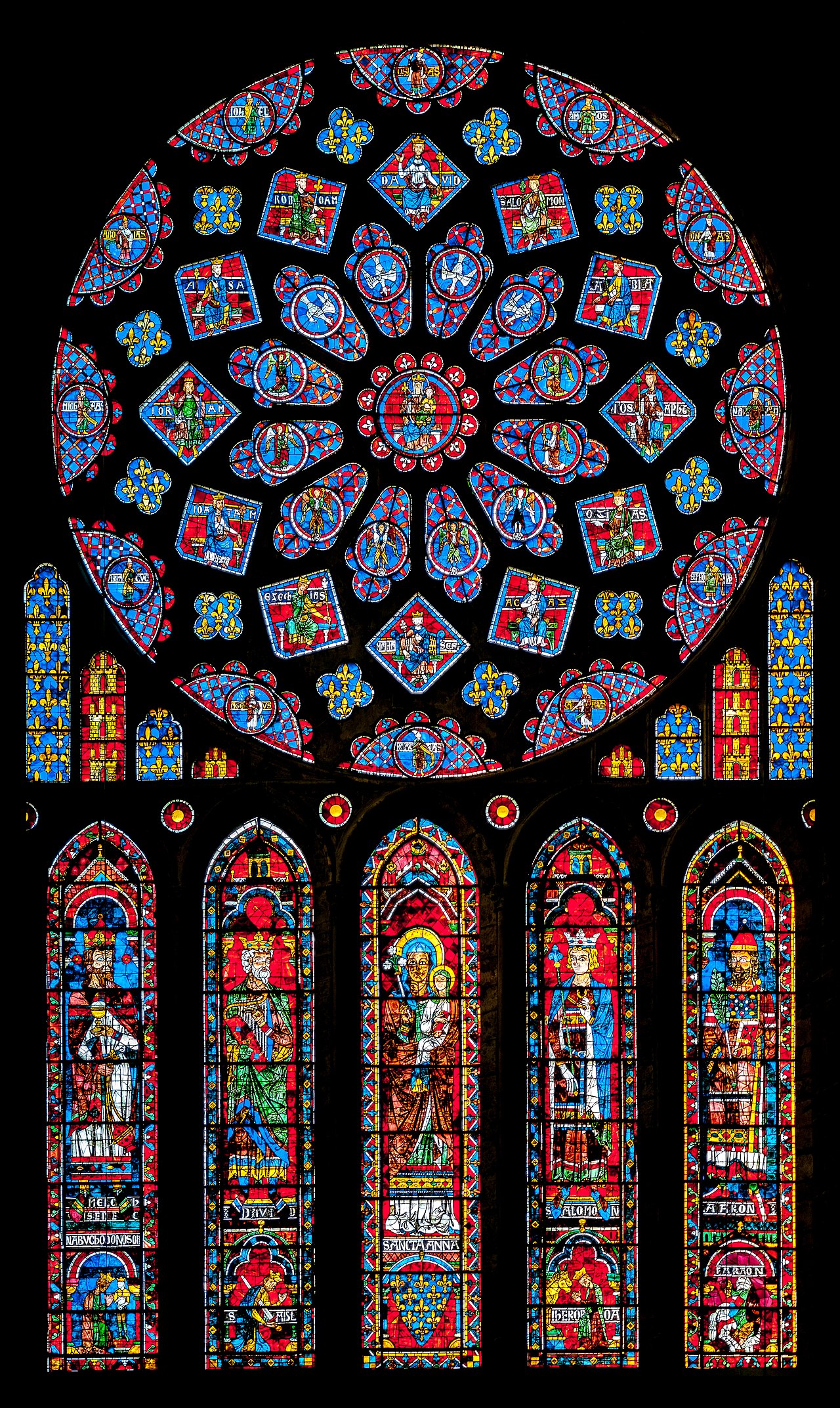
Stained glass windows have been a cornerstone of architectural and artistic expression for centuries, with roots tracing back to ancient Rome and Egypt. The technique gained prominence in medieval Europe, particularly in cathedrals like Notre Dame and Chartres, where intricate narratives and biblical scenes were depicted. The process involves cutting and assembling pieces of colored glass, often held together by lead came, to create vibrant and luminous works of art. With the advent of new technologies and materials, contemporary artists have pushed the boundaries of stained glass, incorporating innovative techniques and themes. Despite the challenges posed by preservation and restoration, stained glass windows continue to captivate audiences worldwide, boasting a Vibe score of 82 for their enduring cultural energy. As we look to the future, the question remains: how will this ancient craft evolve in the face of modernity and technological advancements, and what role will it play in shaping our visual and cultural landscape?
🌈 Introduction to Stained Glass Windows
Stained glass windows have been a staple of architectural beauty for centuries, with their vibrant colors and intricate designs captivating the eyes of people around the world. The art of stained glass has evolved significantly over time, from its origins in ancient Roman Empire to the modern creations of artists like Louis Comfort Tiffany. Today, stained glass is not only used in windows but also in three-dimensional structures and sculptures. The term 'stained glass' has also been extended to include domestic lead light and objets d'art created from glasswork, such as the famous Tiffany lamps. For more information on the history of stained glass, visit the Stained Glass page.
🏛️ History of Stained Glass: From Ancient to Modern
The history of stained glass dates back to ancient civilizations, with evidence of stained glass production found in ancient Egypt and Roman Empire. The art form gained popularity during the Middle Ages, particularly in the construction of cathedrals and churches. The use of stained glass in these buildings served not only as a decorative element but also as a means of storytelling through biblical scenes and symbolism. To learn more about the history of stained glass, check out the Stained Glass History page. The evolution of stained glass is also closely tied to the development of glassmaking techniques and architectural styles.
🎨 Artistic Techniques: A Closer Look at Stained Glass
The creation of stained glass windows involves a range of artistic techniques, from cutting and assembling glass pieces to painting and firing the glass. The process requires great skill and attention to detail, as the artist must carefully select and cut the glass to achieve the desired colors and textures. The use of lead and copper foil techniques allows for the creation of intricate designs and patterns, which are often inspired by natural forms and geometric shapes. For a deeper look into the artistic techniques used in stained glass, visit the Stained Glass Techniques page. The art of stained glass is also closely related to other art forms, such as mosaic art and glass sculpture.
🔨 Materials and Tools: The Craft of Stained Glass
The materials and tools used in stained glass art have evolved significantly over time, from the early use of soda-lime glass to the modern use of borosilicate glass and fusing techniques. The development of new tools and materials has allowed artists to experiment with new techniques and create innovative designs. The use of glass cutters and glass grinders has made the process of cutting and shaping glass more precise and efficient. To learn more about the materials and tools used in stained glass, check out the Stained Glass Materials page. The art of stained glass is also closely tied to the development of glassmaking techniques and craftsmanship.
🌆 Architectural Significance: Stained Glass in Buildings
Stained glass windows have played a significant role in the architectural design of buildings throughout history, particularly in the construction of cathedrals, churches, and mosques. The use of stained glass in these buildings serves not only as a decorative element but also as a means of controlling light and creating a sense of atmosphere. The design of stained glass windows often reflects the architectural style of the building, with Gothic and Romanesque styles featuring intricate and complex designs. For more information on the architectural significance of stained glass, visit the Stained Glass Architecture page. The use of stained glass in buildings is also closely tied to the development of architectural styles and interior design.
👨🎤 Famous Stained Glass Artists: Louis Comfort Tiffany and More
Louis Comfort Tiffany is one of the most famous stained glass artists in history, known for his exquisite Tiffany lamps and stained glass windows. His work had a significant influence on the development of Art Nouveau and Arts and Crafts movements. Other notable stained glass artists include John La Farge and Alphonse Mucha, who were known for their innovative use of color and technique. To learn more about famous stained glass artists, check out the Stained Glass Artists page. The work of these artists has also been influenced by other art forms, such as painting and sculpture.
🌈 Modern Stained Glass: Innovations and Experimentations
Modern stained glass art has evolved significantly, with artists experimenting with new techniques and materials. The use of fusing and slumping techniques has allowed for the creation of intricate and complex designs. The development of new materials, such as borosilicate glass and lead-free glass, has also expanded the possibilities for stained glass art. For a deeper look into modern stained glass, visit the Modern Stained Glass page. The art of stained glass is also closely tied to the development of glass sculpture and installation art.
🤝 Influence of Stained Glass on Other Art Forms
The influence of stained glass on other art forms is significant, with many artists drawing inspiration from the vibrant colors and intricate designs of stained glass. The use of mosaic and glass sculpture techniques has become increasingly popular in contemporary art. The development of installation art has also been influenced by the use of stained glass in architectural design. To learn more about the influence of stained glass on other art forms, check out the Stained Glass Influence page. The art of stained glass has also been influenced by other art forms, such as painting and sculpture.
📚 Preservation and Restoration of Stained Glass Windows
The preservation and restoration of stained glass windows are crucial to maintaining their beauty and historical significance. The process of restoration involves careful cleaning and repair of the glass, as well as the replacement of damaged or missing pieces. The use of conservation techniques and restoration methods has become increasingly important in the preservation of stained glass art. For more information on the preservation and restoration of stained glass, visit the Stained Glass Preservation page. The preservation of stained glass is also closely tied to the development of museum conservation and historic preservation.
🌐 Stained Glass Around the World: Cultural and Regional Variations
Stained glass art can be found in many cultures and regions around the world, each with its unique style and technique. The use of stained glass in Islamic art and Byzantine art is particularly notable, with intricate designs and patterns reflecting the cultural and religious traditions of these regions. The development of stained glass in Asia and Africa has also been influenced by local materials and techniques. To learn more about stained glass around the world, check out the Stained Glass Around the World page. The art of stained glass is also closely tied to the development of cultural exchange and globalization.
📊 Market and Collectibility: The Value of Stained Glass Art
The market and collectibility of stained glass art have increased significantly in recent years, with many collectors and enthusiasts seeking out rare and unique pieces. The value of stained glass art is determined by a range of factors, including the artist, technique, and condition of the piece. The use of auction houses and art market trends has also become increasingly important in the buying and selling of stained glass art. For more information on the market and collectibility of stained glass, visit the Stained Glass Market page. The collectibility of stained glass is also closely tied to the development of art collection and antique dealing.
👀 Conclusion: The Enduring Beauty of Stained Glass Windows
In conclusion, stained glass windows are a true marvel of art and architecture, with their vibrant colors and intricate designs captivating the eyes of people around the world. The art of stained glass has evolved significantly over time, from its origins in ancient civilizations to the modern creations of artists like Louis Comfort Tiffany. As we look to the future, it is clear that stained glass will continue to play a significant role in the world of art and architecture, with new techniques and materials expanding the possibilities for this ancient and beautiful art form. To learn more about the future of stained glass, check out the Stained Glass Future page. The future of stained glass is also closely tied to the development of sustainability and innovation in the art world.
Key Facts
- Year
- 1000
- Origin
- Ancient Rome and Egypt
- Category
- Art and Architecture
- Type
- Artistic Technique
Frequently Asked Questions
What is stained glass?
Stained glass refers to colored glass as a material or art and architectural works created from it. Although it is traditionally made in flat panels and used as windows, the creations of modern stained glass artists also include three-dimensional structures and sculpture. For more information, visit the Stained Glass page.
Who is Louis Comfort Tiffany?
Louis Comfort Tiffany is one of the most famous stained glass artists in history, known for his exquisite Tiffany lamps and stained glass windows. His work had a significant influence on the development of Art Nouveau and Arts and Crafts movements. To learn more about Louis Comfort Tiffany, check out the Louis Comfort Tiffany page.
What are the different techniques used in stained glass art?
The creation of stained glass windows involves a range of artistic techniques, from cutting and assembling glass pieces to painting and firing the glass. The use of lead and copper foil techniques allows for the creation of intricate designs and patterns. For a deeper look into the artistic techniques used in stained glass, visit the Stained Glass Techniques page.
How is stained glass preserved and restored?
The preservation and restoration of stained glass windows are crucial to maintaining their beauty and historical significance. The process of restoration involves careful cleaning and repair of the glass, as well as the replacement of damaged or missing pieces. The use of conservation techniques and restoration methods has become increasingly important in the preservation of stained glass art. For more information on the preservation and restoration of stained glass, visit the Stained Glass Preservation page.
What is the market value of stained glass art?
The market and collectibility of stained glass art have increased significantly in recent years, with many collectors and enthusiasts seeking out rare and unique pieces. The value of stained glass art is determined by a range of factors, including the artist, technique, and condition of the piece. For more information on the market and collectibility of stained glass, visit the Stained Glass Market page.
How has stained glass influenced other art forms?
The influence of stained glass on other art forms is significant, with many artists drawing inspiration from the vibrant colors and intricate designs of stained glass. The use of mosaic and glass sculpture techniques has become increasingly popular in contemporary art. To learn more about the influence of stained glass on other art forms, check out the Stained Glass Influence page.
What is the future of stained glass art?
As we look to the future, it is clear that stained glass will continue to play a significant role in the world of art and architecture, with new techniques and materials expanding the possibilities for this ancient and beautiful art form. The future of stained glass is also closely tied to the development of sustainability and innovation in the art world. For more information on the future of stained glass, visit the Stained Glass Future page.