
Contents
- 📊 Introduction to Inflation
- 💸 Causes of Inflation
- 📈 Effects of Inflation
- 🚨 Hyperinflation: A Worst-Case Scenario
- 📊 Measuring Inflation
- 💰 Impact on Savings and Investments
- 📈 Fiscal Policy and Inflation
- 🌎 Global Inflation Trends
- 📊 Inflation Forecasting
- 💸 Mitigating the Effects of Inflation
- Frequently Asked Questions
- Related Topics
Overview
Inflation, a sustained increase in the general price level of goods and services in an economy over time, is a complex and multifaceted phenomenon that affects the purchasing power of consumers. It is measured as an annual percentage increase in the Consumer Price Index (CPI), which tracks changes in the prices of a basket of goods and services. The causes of inflation are varied, including demand-pull factors such as economic growth and supply-chain disruptions, and cost-push factors like increases in wages and raw materials. According to the International Monetary Fund (IMF), the global inflation rate averaged around 3.8% in 2020, with significant variations across countries. The impact of inflation can be far-reaching, influencing interest rates, employment, and overall economic stability. For instance, high inflation can lead to decreased consumer spending and reduced savings, as seen in countries like Venezuela, which experienced an inflation rate of over 10,000% in 2019. As central banks and governments navigate the challenges of managing inflation, it is crucial to understand its underlying mechanisms and the implications for economic policy, as noted by economists such as Milton Friedman and Janet Yellen.
📊 Introduction to Inflation
Inflation is a complex and multifaceted economic phenomenon that affects the purchasing power of individuals and businesses. As defined by the Inflation Definition, it is a sustained increase in the general price level of goods and services in an economy over time. The History of Inflation shows that it has been a persistent issue throughout human history, with various causes and effects. The Economics of Inflation explains how it works and its impact on the economy. Inflation can be caused by an increase in the money supply, demand-pull inflation, or cost-push inflation. The Monetary Policy plays a crucial role in controlling inflation by regulating the money supply and interest rates.
💸 Causes of Inflation
The causes of inflation are varied and can be attributed to both monetary and non-monetary factors. The Money Supply plays a significant role in inflation, as an increase in the money supply can lead to an increase in aggregate demand, causing prices to rise. The Demand-Pull Inflation occurs when aggregate demand exceeds the available supply of goods and services, driving up prices. The Cost-Push Inflation occurs when there is an increase in the cost of production, such as an increase in wages or raw materials, leading to higher prices. The Fiscal Policy also plays a role in inflation, as government spending and taxation can influence the overall level of demand in the economy.
📈 Effects of Inflation
The effects of inflation can be far-reaching and have significant consequences for individuals, businesses, and the overall economy. The Purchasing Power of consumers is eroded as prices rise, reducing the value of their money. The Savings and Investments of individuals can also be affected, as inflation can reduce the value of their savings over time. The Interest Rates can also be impacted, as higher inflation can lead to higher interest rates. The Economic Growth can be influenced by inflation, as high inflation can lead to reduced investment and consumption. The Unemployment Rate can also be affected, as high inflation can lead to higher unemployment.
🚨 Hyperinflation: A Worst-Case Scenario
Hyperinflation is a rare and extreme form of inflation, where the general price level of goods and services increases exponentially, often rendering the currency nearly worthless. The Hyperinflation Definition explains the characteristics of this phenomenon. The Hyperinflation Causes include a large increase in the money supply, a decline in the value of the currency, and a loss of confidence in the government's ability to manage the economy. The Hyperinflation Effects can be devastating, leading to a complete breakdown in the economy and society. The Zimbabwe Hyperinflation is a notable example of hyperinflation, where the inflation rate reached 89.7 sextillion percent in mid-November 2008.
📊 Measuring Inflation
Measuring inflation is crucial for understanding its impact on the economy and making informed policy decisions. The Consumer Price Index (CPI) is a widely used measure of inflation, which tracks the change in prices of a basket of goods and services. The Gross Domestic Product (GDP) deflator is another measure of inflation, which tracks the change in prices of all goods and services produced within an economy. The Inflation Rate is the percentage change in the price level of goods and services over a given period of time. The Inflation Targeting is a monetary policy strategy that involves setting a target for the inflation rate and using monetary policy tools to achieve it.
💰 Impact on Savings and Investments
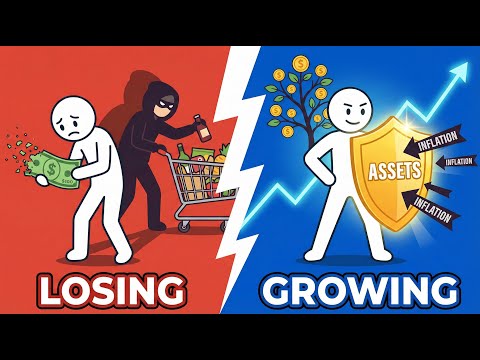
Inflation can have a significant impact on savings and investments, as it can reduce the purchasing power of money over time. The Savings Rate can be affected by inflation, as higher inflation can lead to lower savings rates. The Investment Strategies can also be impacted, as investors may need to adjust their portfolios to account for inflation. The Inflation-Indexed Bonds are a type of investment that can provide protection against inflation, as the returns are adjusted for inflation. The Real Estate Investing can also be affected by inflation, as property values and rental income can be influenced by inflation.
📈 Fiscal Policy and Inflation
Fiscal policy can play a significant role in controlling inflation, as government spending and taxation can influence the overall level of demand in the economy. The Fiscal Policy Tools include government spending, taxation, and transfer payments. The Monetary Policy also plays a crucial role in controlling inflation, as the central bank can regulate the money supply and interest rates. The Inflation Targeting is a monetary policy strategy that involves setting a target for the inflation rate and using monetary policy tools to achieve it. The Fiscal-Monetary Policy Interaction is critical in controlling inflation, as fiscal and monetary policies can interact and influence each other.
🌎 Global Inflation Trends
Global inflation trends can vary significantly, reflecting differences in economic conditions, monetary policy, and other factors. The Global Inflation Rates can be influenced by a range of factors, including economic growth, monetary policy, and commodity prices. The Inflation Differentials between countries can be significant, reflecting differences in economic conditions and monetary policy. The Exchange Rates can also be affected by inflation, as higher inflation can lead to a depreciation of the currency. The International Trade can be influenced by inflation, as changes in prices and exchange rates can affect trade flows.
📊 Inflation Forecasting
Inflation forecasting is critical for making informed policy decisions and investment strategies. The Inflation Forecasting Models include a range of statistical and econometric models, such as autoregressive integrated moving average (ARIMA) models and vector autoregression (VAR) models. The Inflation Predictors include a range of economic indicators, such as the output gap, unemployment rate, and commodity prices. The Inflation Uncertainty can be significant, reflecting the complexity and unpredictability of inflation. The Machine Learning Inflation Forecasting is a new approach to inflation forecasting, which uses machine learning algorithms to predict inflation.
💸 Mitigating the Effects of Inflation
Mitigating the effects of inflation requires a range of strategies, including monetary policy, fiscal policy, and investment strategies. The Inflation Targeting is a monetary policy strategy that involves setting a target for the inflation rate and using monetary policy tools to achieve it. The Price Controls can be used to control inflation, but they can also have unintended consequences, such as shortages and black markets. The Inflation-Indexed Instruments can provide protection against inflation, as the returns are adjusted for inflation. The Diversification is a key investment strategy for mitigating the effects of inflation, as it can help to reduce the risk of inflation.
Key Facts
- Year
- 2020
- Origin
- The concept of inflation dates back to ancient civilizations, with evidence of price increases found in the economies of ancient Greece and Rome.
- Category
- Economics
- Type
- Concept
- Format
- what-is
Frequently Asked Questions
What is inflation?
Inflation is a sustained increase in the general price level of goods and services in an economy over time. It can be caused by an increase in the money supply, demand-pull inflation, or cost-push inflation. The effects of inflation can be far-reaching and have significant consequences for individuals, businesses, and the overall economy.
What are the causes of inflation?
The causes of inflation are varied and can be attributed to both monetary and non-monetary factors. The money supply plays a significant role in inflation, as an increase in the money supply can lead to an increase in aggregate demand, causing prices to rise. Demand-pull inflation occurs when aggregate demand exceeds the available supply of goods and services, driving up prices. Cost-push inflation occurs when there is an increase in the cost of production, such as an increase in wages or raw materials, leading to higher prices.
How is inflation measured?
Inflation is measured using a range of indicators, including the Consumer Price Index (CPI), the Gross Domestic Product (GDP) deflator, and the inflation rate. The CPI tracks the change in prices of a basket of goods and services, while the GDP deflator tracks the change in prices of all goods and services produced within an economy. The inflation rate is the percentage change in the price level of goods and services over a given period of time.
What are the effects of inflation?
The effects of inflation can be far-reaching and have significant consequences for individuals, businesses, and the overall economy. The purchasing power of consumers is eroded as prices rise, reducing the value of their money. Savings and investments can also be affected, as inflation can reduce the value of savings over time. Interest rates can also be impacted, as higher inflation can lead to higher interest rates.
How can inflation be controlled?
Inflation can be controlled using a range of monetary and fiscal policy tools. Monetary policy involves regulating the money supply and interest rates, while fiscal policy involves government spending and taxation. Inflation targeting is a monetary policy strategy that involves setting a target for the inflation rate and using monetary policy tools to achieve it. Price controls can also be used to control inflation, but they can have unintended consequences, such as shortages and black markets.
What are the implications of inflation for businesses?
Inflation can have significant implications for businesses, including reduced profitability, increased costs, and reduced competitiveness. Businesses may need to adjust their pricing strategies to account for inflation, and may also need to invest in new technologies and processes to maintain their competitiveness. Inflation can also lead to reduced investment and consumption, which can have negative impacts on businesses.
What are the implications of inflation for individuals?
Inflation can have significant implications for individuals, including reduced purchasing power, reduced savings, and reduced investment returns. Individuals may need to adjust their budgets and investment strategies to account for inflation, and may also need to consider inflation-indexed instruments, such as inflation-indexed bonds, to protect their savings and investments.