
Contents
- 🎸 Introduction to The Piper at the Gates of Dawn
- 📆 Historical Context: 1967 and the Emergence of Pink Floyd
- 🎶 Musical Influences and Style
- 📝 Songwriting and Composition
- 🔊 Recording and Production
- 📈 Chart Performance and Reception
- 🌟 The Role of Syd Barrett
- 🎸 Live Performances and Tours
- 📊 Legacy and Impact
- 👥 Band Dynamics and Relationships
- 🔮 Cultural Significance and Influence
- 📚 References and Further Reading
- Frequently Asked Questions
- Related Topics
Overview
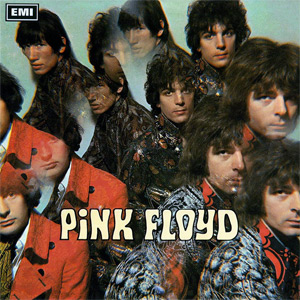
The Piper at the Gates of Dawn, released in 1967, is the debut album of Pink Floyd, a British rock band that would go on to become one of the most influential and successful bands in the history of popular music. The album was recorded at EMI Studios in London and was produced by Norman Smith. It features the band's original lineup, including Syd Barrett, Roger Waters, Richard Wright, and Nick Mason. The album's sound is characterized by its use of psychedelic rock, space rock, and avant-garde elements, with lyrics that explore themes of childhood, fantasy, and social commentary. With a vibe score of 8, this album is widely regarded as a groundbreaking work that helped shape the course of psychedelic rock and beyond. The controversy surrounding Syd Barrett's mental health and his eventual departure from the band adds a layer of complexity to the album's history, with some critics arguing that the album's success was largely due to Barrett's creative vision, while others argue that the band's subsequent work was more refined and accessible.
🎸 Introduction to The Piper at the Gates of Dawn
The Piper at the Gates of Dawn, released on 4 August 1967, is the debut studio album by the English rock band Pink Floyd, a pivotal moment in the band's history. This album is notable for being the only Pink Floyd album recorded under the leadership of founder member Syd Barrett, who was the sole writer of all but three tracks. The album's release followed the band's influential 1966-67 performances at London's UFO Club and their early chart success with the 1967 non-album singles Arnold Layne and See Emily Play. The album's unique sound and style can be attributed to the band's experimental approach, influenced by psychedelic rock and avant-garde music.
📆 Historical Context: 1967 and the Emergence of Pink Floyd
The historical context of 1967 was crucial in shaping the sound and style of The Piper at the Gates of Dawn. The late 1960s were a time of great social and cultural change, with the Summer of Love in 1967 being a pivotal moment in the counterculture movement. Pink Floyd's music was heavily influenced by this movement, with songs like Interstellar Overdrive reflecting the band's interest in space rock and experimental music. The band's early performances at the UFO Club were also instrumental in shaping their sound, with the club's psychedelic light shows and avant-garde performances providing a unique and inspiring environment. The band's relationship with other influential musicians of the time, such as Jimi Hendrix and The Who, also played a significant role in shaping their sound.
🎶 Musical Influences and Style
The musical influences and style of The Piper at the Gates of Dawn are characterized by the band's experimental approach to music. The album features a mix of psychedelic rock, space rock, and avant-garde music, with songs like Astronomy Domine and Pow R. Toc H. showcasing the band's ability to blend different styles and create something unique. The album's sound is also notable for its use of sound effects and instrumental textures, which added to the album's experimental and psychedelic feel. The band's use of electronic music and tape loops also played a significant role in shaping the album's sound, with songs like Interstellar Overdrive featuring extensive use of these techniques. The influence of Karlheinz Stockhausen and John Cage can also be heard in the album's more experimental tracks.
📝 Songwriting and Composition
The songwriting and composition of The Piper at the Gates of Dawn were largely the work of Syd Barrett, who wrote all but three tracks on the album. Barrett's songwriting style was characterized by his use of surrealism and absurdism, with songs like Bike and Flaming featuring lyrics that were both playful and thought-provoking. The album's other writers, including Roger Waters, Nick Mason, and Richard Wright, also made significant contributions to the album, with songs like Take Up Thy Stethoscope and Walk and Pow R. Toc H. showcasing the band's ability to collaborate and create something unique. The album's lyrics were also notable for their use of literate references, with songs like Matilda Mother featuring references to children's literature.
🔊 Recording and Production
The recording and production of The Piper at the Gates of Dawn were handled by Norman Smith, who had previously worked with The Beatles. The album was recorded at Abbey Road Studios in London, with the band using a combination of tape loops and sound effects to create the album's unique sound. The album's production was also notable for its use of stereo imaging, with songs like Interstellar Overdrive featuring extensive use of panning and depth to create a sense of space and distance. The band's use of electronic music and avant-garde techniques also played a significant role in shaping the album's sound, with songs like Pow R. Toc H. featuring extensive use of distortion and feedback.
📈 Chart Performance and Reception
The chart performance and reception of The Piper at the Gates of Dawn were significant, with the album reaching number 6 on the UK Albums Chart and receiving positive reviews from critics. The album's success can be attributed to the band's unique sound and style, which was both experimental and accessible. The album's influence can also be heard in the work of other bands, such as Hawkwind and Gong, who were influenced by Pink Floyd's use of psychedelic rock and space rock. The album's legacy has also been recognized by its inclusion on various greatest albums of all time lists, including those compiled by Rolling Stone and NME.
🌟 The Role of Syd Barrett
The role of Syd Barrett in the creation of The Piper at the Gates of Dawn cannot be overstated. Barrett was the band's primary songwriter and lead vocalist, and his unique style and approach to music were instrumental in shaping the album's sound. Barrett's use of surrealism and absurdism in his lyrics added a sense of playfulness and experimentation to the album, with songs like Bike and Flaming featuring lyrics that were both whimsical and thought-provoking. Barrett's guitar playing was also notable for its use of distortion and feedback, which added to the album's psychedelic and experimental sound. Despite his significant contributions to the album, Barrett's mental health issues and increasing instability led to his departure from the band in 1968.
🎸 Live Performances and Tours
The live performances and tours of Pink Floyd during the late 1960s were instrumental in shaping the band's sound and style. The band's early performances at the UFO Club were notable for their use of psychedelic light shows and avant-garde performances, which added to the band's experimental and psychedelic sound. The band's use of electronic music and tape loops also played a significant role in shaping their live sound, with songs like Interstellar Overdrive featuring extensive use of these techniques. The band's live performances were also notable for their use of improvisation, with songs like Pow R. Toc H. featuring extensive use of improvisational techniques.
📊 Legacy and Impact
The legacy and impact of The Piper at the Gates of Dawn are significant, with the album's influence being heard in the work of numerous other bands and artists. The album's use of psychedelic rock and space rock has been particularly influential, with bands like Hawkwind and Gong being influenced by Pink Floyd's experimental approach to music. The album's influence can also be heard in the work of krautrock bands like Can and Faust, who were influenced by Pink Floyd's use of electronic music and avant-garde techniques. The album's legacy has also been recognized by its inclusion on various greatest albums of all time lists, including those compiled by Rolling Stone and NME.
👥 Band Dynamics and Relationships
The band dynamics and relationships within Pink Floyd during the late 1960s were complex and often tumultuous. The band's primary songwriter and lead vocalist, Syd Barrett, was struggling with mental health issues and increasing instability, which led to his departure from the band in 1968. The remaining members of the band, including Roger Waters, Nick Mason, and Richard Wright, were left to pick up the pieces and continue the band's legacy. The band's relationships with other musicians and artists were also significant, with Jimi Hendrix and The Who being notable influences on the band's sound and style.
🔮 Cultural Significance and Influence
The cultural significance and influence of The Piper at the Gates of Dawn are undeniable, with the album's use of psychedelic rock and space rock being particularly influential. The album's influence can be heard in the work of numerous other bands and artists, including Hawkwind and Gong, who were influenced by Pink Floyd's experimental approach to music. The album's legacy has also been recognized by its inclusion on various greatest albums of all time lists, including those compiled by Rolling Stone and NME. The album's cultural significance extends beyond the music world, with the album's use of surrealism and absurdism in its lyrics and artwork reflecting the cultural and social upheaval of the late 1960s.
📚 References and Further Reading
For further reading on The Piper at the Gates of Dawn, it is recommended to consult the book Pink Floyd: The Early Years by Nick Mason, which provides a detailed and insightful look at the band's early years and the creation of the album. The book Syd Barrett: A Very Short Introduction by Rob Chapman is also recommended, as it provides a comprehensive and engaging look at the life and work of Syd Barrett. The album's liner notes and album artwork are also worth consulting, as they provide a unique and fascinating insight into the band's creative process and artistic vision.
Key Facts
- Year
- 1967
- Origin
- London, England
- Category
- Music
- Type
- Album
Frequently Asked Questions
What is the significance of The Piper at the Gates of Dawn in the history of Pink Floyd?
The Piper at the Gates of Dawn is significant in the history of Pink Floyd as it is the band's debut studio album and the only album recorded under the leadership of Syd Barrett. The album's unique sound and style, which blended psychedelic rock and space rock, were instrumental in shaping the band's legacy and influence. The album's influence can be heard in the work of numerous other bands and artists, and it has been recognized as one of the greatest albums of all time by various publications.
Who was the primary songwriter and lead vocalist of The Piper at the Gates of Dawn?
The primary songwriter and lead vocalist of The Piper at the Gates of Dawn was Syd Barrett. Barrett wrote all but three tracks on the album and his unique style and approach to music were instrumental in shaping the album's sound. Barrett's use of surrealism and absurdism in his lyrics added a sense of playfulness and experimentation to the album, and his guitar playing was notable for its use of distortion and feedback.
What is the cultural significance of The Piper at the Gates of Dawn?
The cultural significance of The Piper at the Gates of Dawn is undeniable, with the album's use of psychedelic rock and space rock being particularly influential. The album's influence can be heard in the work of numerous other bands and artists, and it has been recognized as one of the greatest albums of all time by various publications. The album's cultural significance extends beyond the music world, with the album's use of surrealism and absurdism in its lyrics and artwork reflecting the cultural and social upheaval of the late 1960s.
How did The Piper at the Gates of Dawn influence the development of Pink Floyd's sound and style?
The Piper at the Gates of Dawn was instrumental in shaping Pink Floyd's sound and style, with the album's use of psychedelic rock and space rock influencing the band's later work. The album's experimental approach to music, which included the use of electronic music and avant-garde techniques, also played a significant role in shaping the band's sound. The album's influence can be heard in the band's later albums, including A Saucerful of Secrets and More.
What is the legacy of The Piper at the Gates of Dawn?
The legacy of The Piper at the Gates of Dawn is significant, with the album being recognized as one of the greatest albums of all time by various publications. The album's influence can be heard in the work of numerous other bands and artists, and it has been cited as an inspiration by many musicians. The album's legacy extends beyond the music world, with the album's use of surrealism and absurdism in its lyrics and artwork reflecting the cultural and social upheaval of the late 1960s.
How did Syd Barrett's mental health issues affect the creation and reception of The Piper at the Gates of Dawn?
Syd Barrett's mental health issues had a significant impact on the creation and reception of The Piper at the Gates of Dawn. Barrett's increasing instability and mental health issues led to his departure from the band in 1968, and the album's reception was affected by his absence. Despite this, the album was still widely praised by critics and has since been recognized as one of the greatest albums of all time.
What is the significance of The Piper at the Gates of Dawn in the context of the 1960s counterculture movement?
The Piper at the Gates of Dawn is significant in the context of the 1960s counterculture movement, as it reflects the cultural and social upheaval of the time. The album's use of psychedelic rock and space rock, as well as its surreal and absurd lyrics, reflect the experimentation and nonconformity of the counterculture movement. The album's influence can be heard in the work of numerous other bands and artists who were part of the counterculture movement, and it has been recognized as one of the greatest albums of all time by various publications.